Italiano


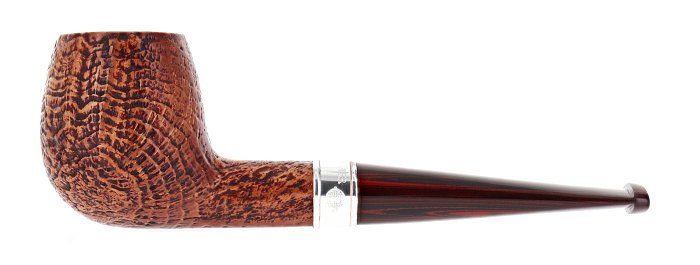
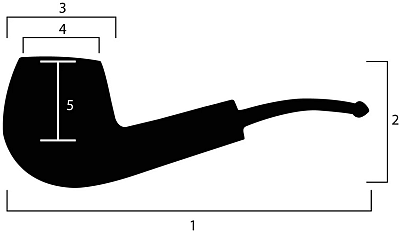
Misure (Measures) in mm
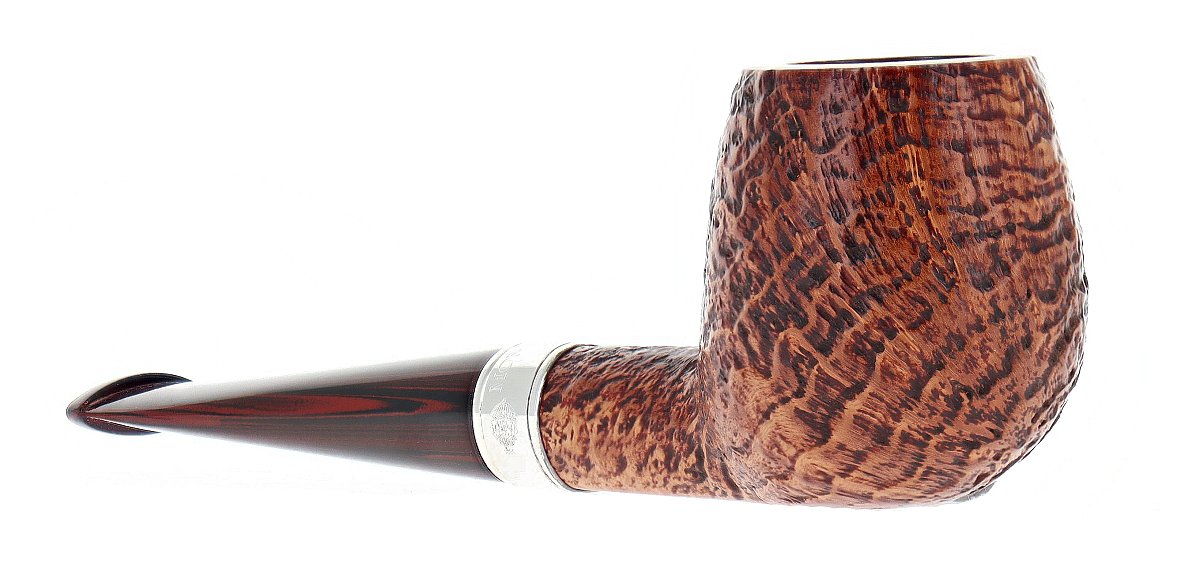
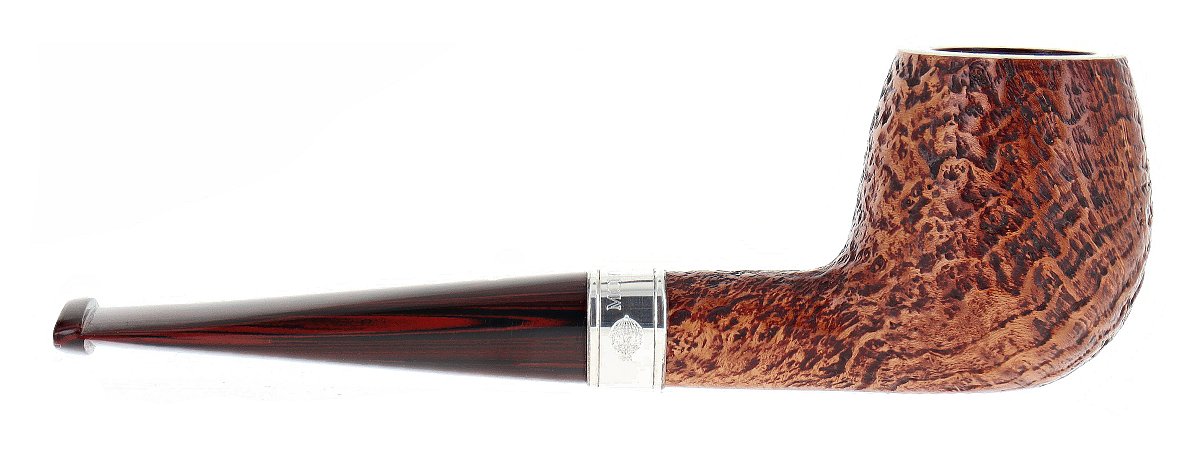
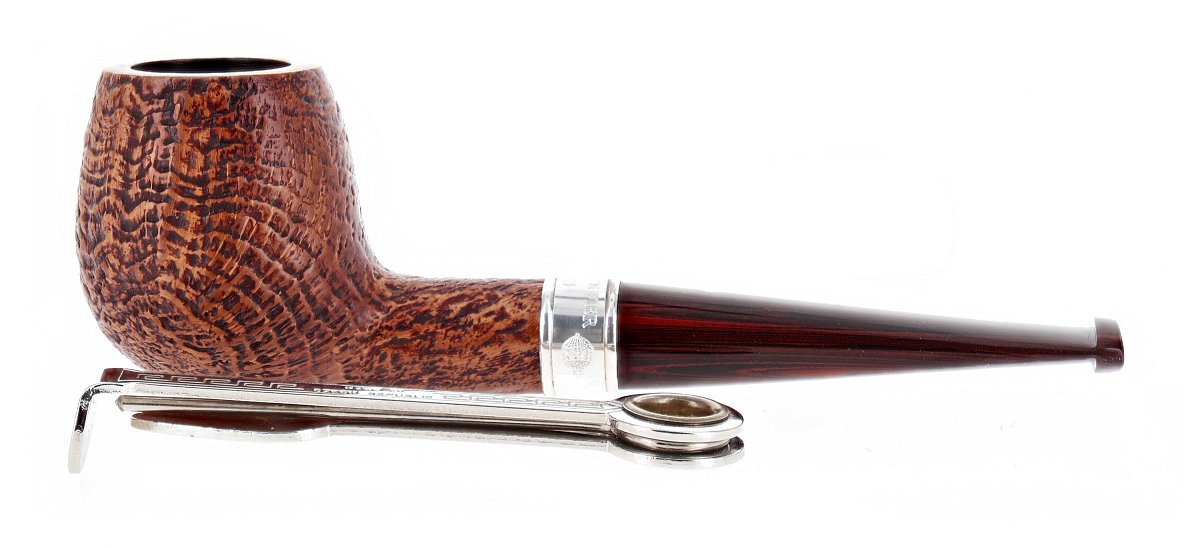
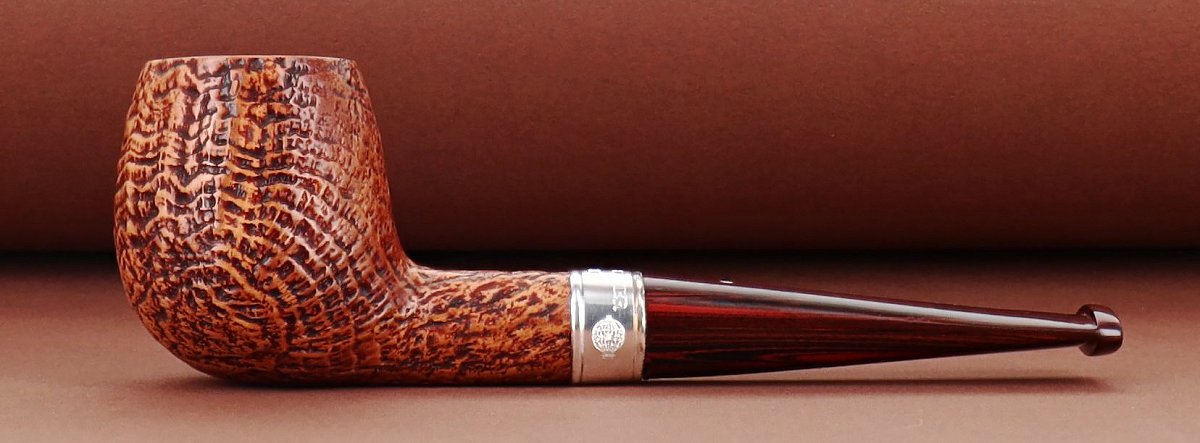
| Lunghezza (Lenght) | 135mm |
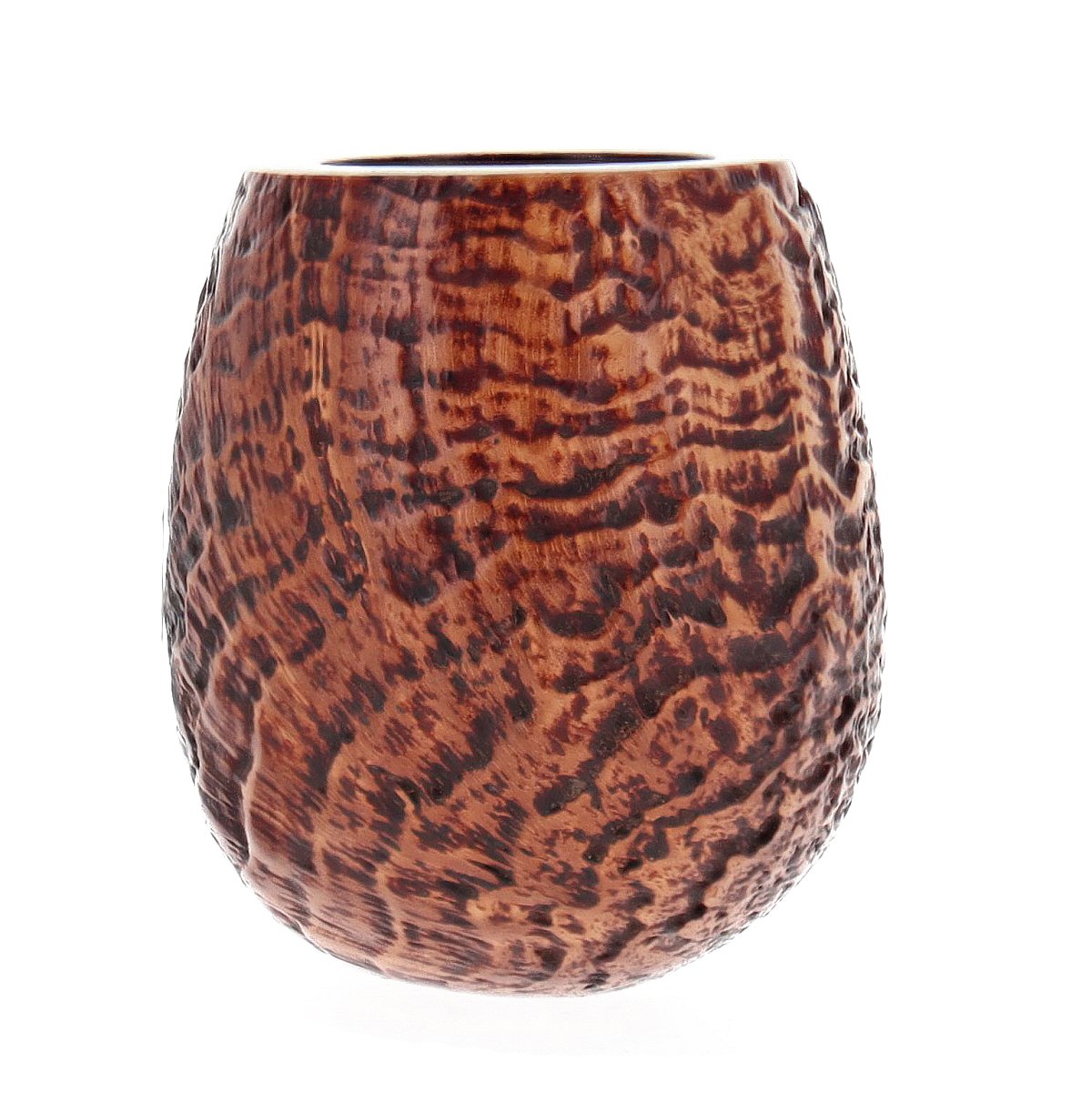
| Altezza testa (Bowl height) | 42mm |
| Diametro esterno Min-Max (External bowl diameter Min-Max) | 36 mm |
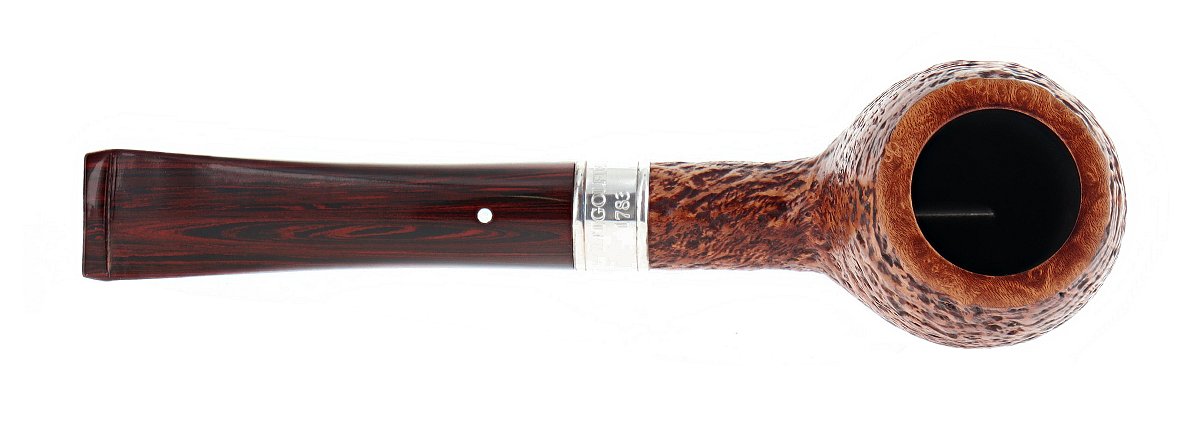
| Diametro fornello (Chamber diameter) | 21 mm |
| Profondità fornello (Chamber depth) | 40 mm |
| Peso (Weight) | 38 g |
Caratteristiche (Details)
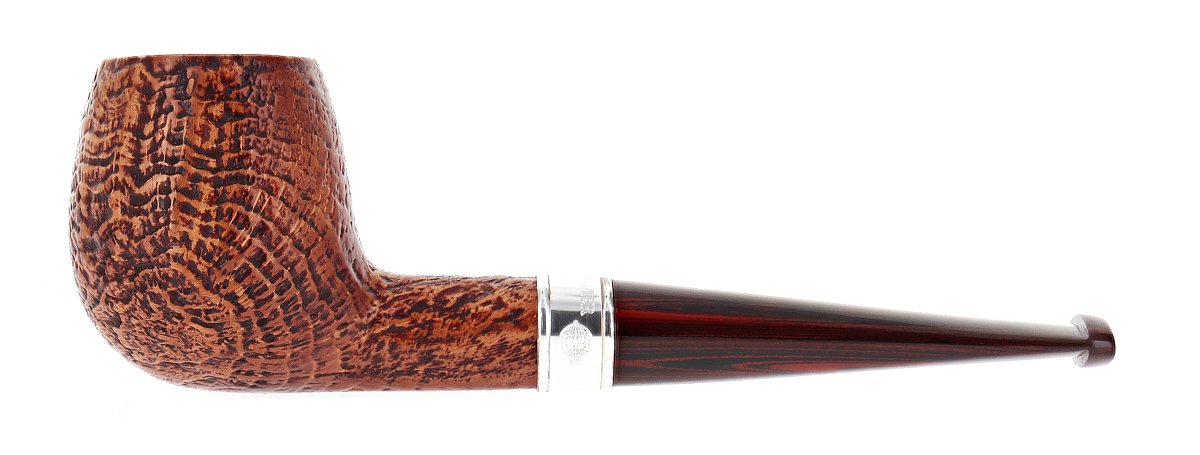
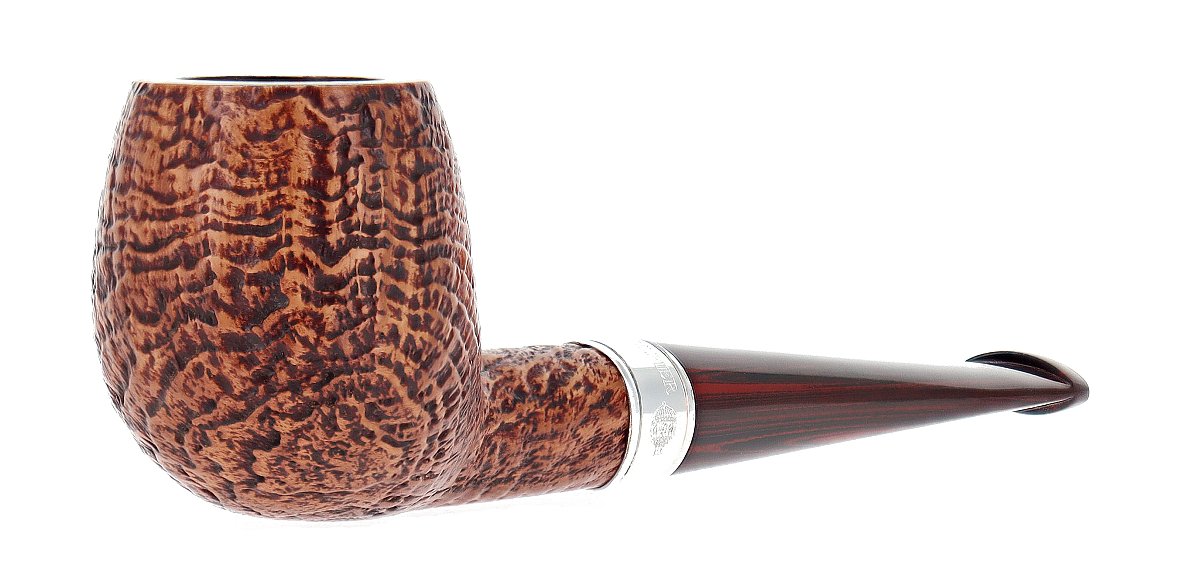
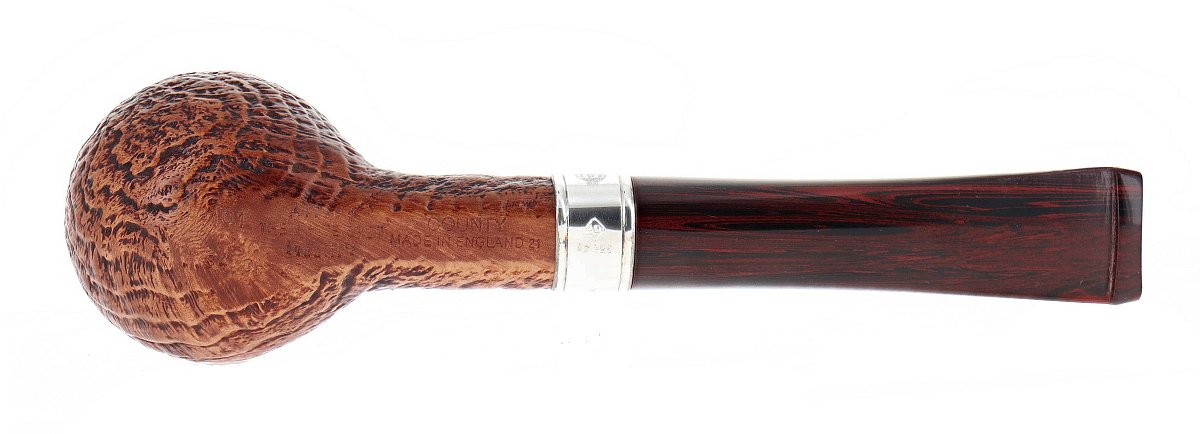
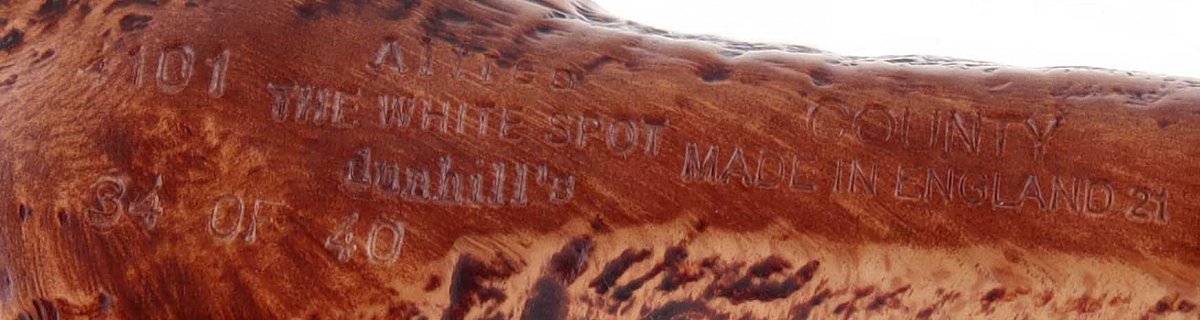
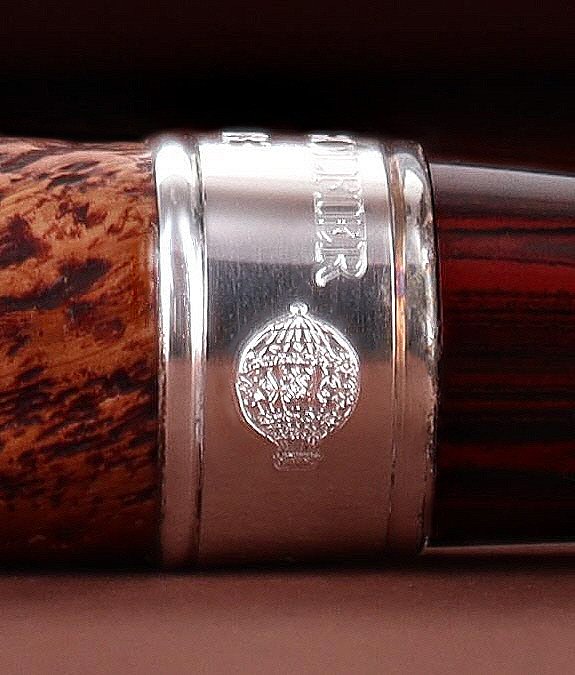
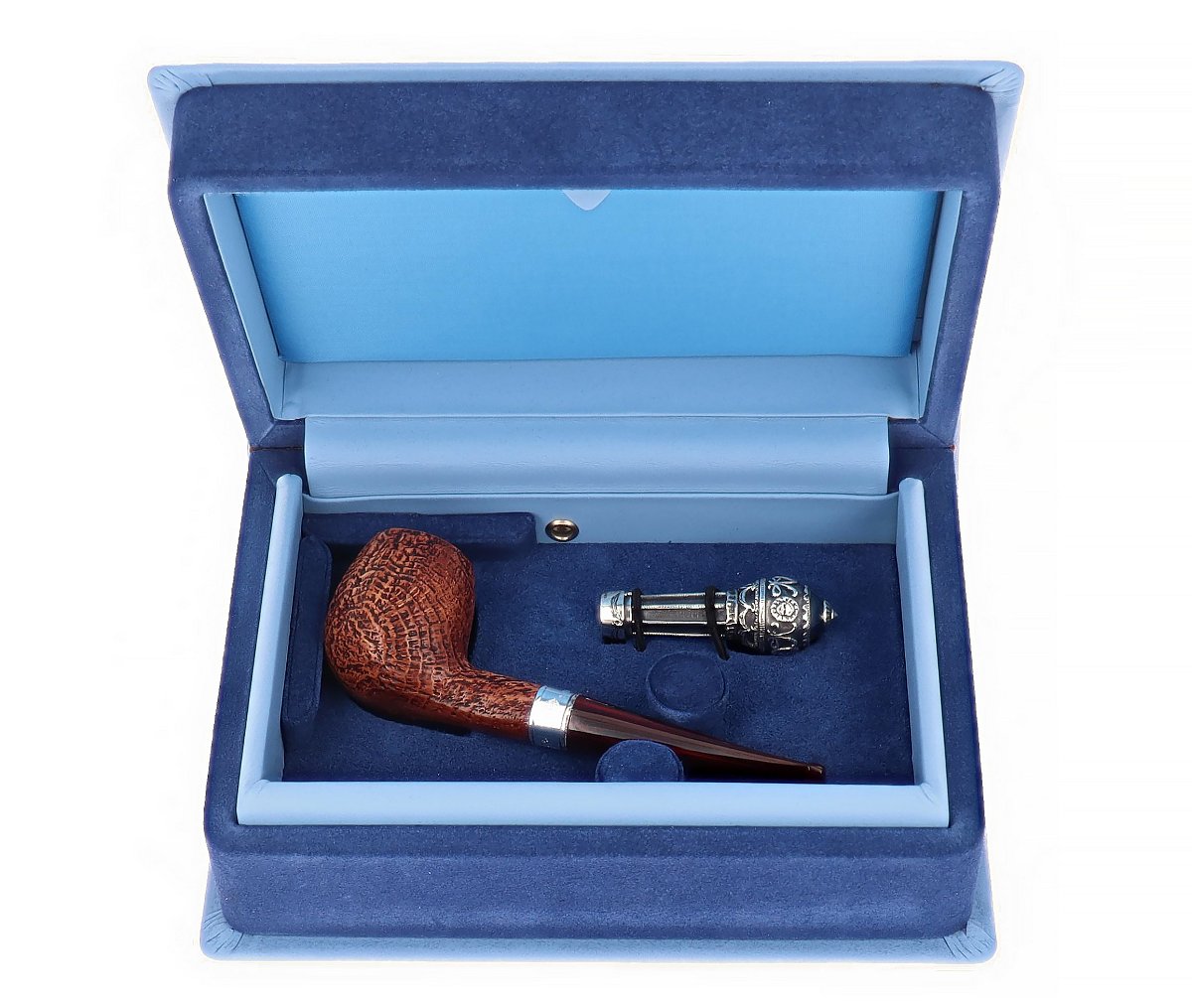
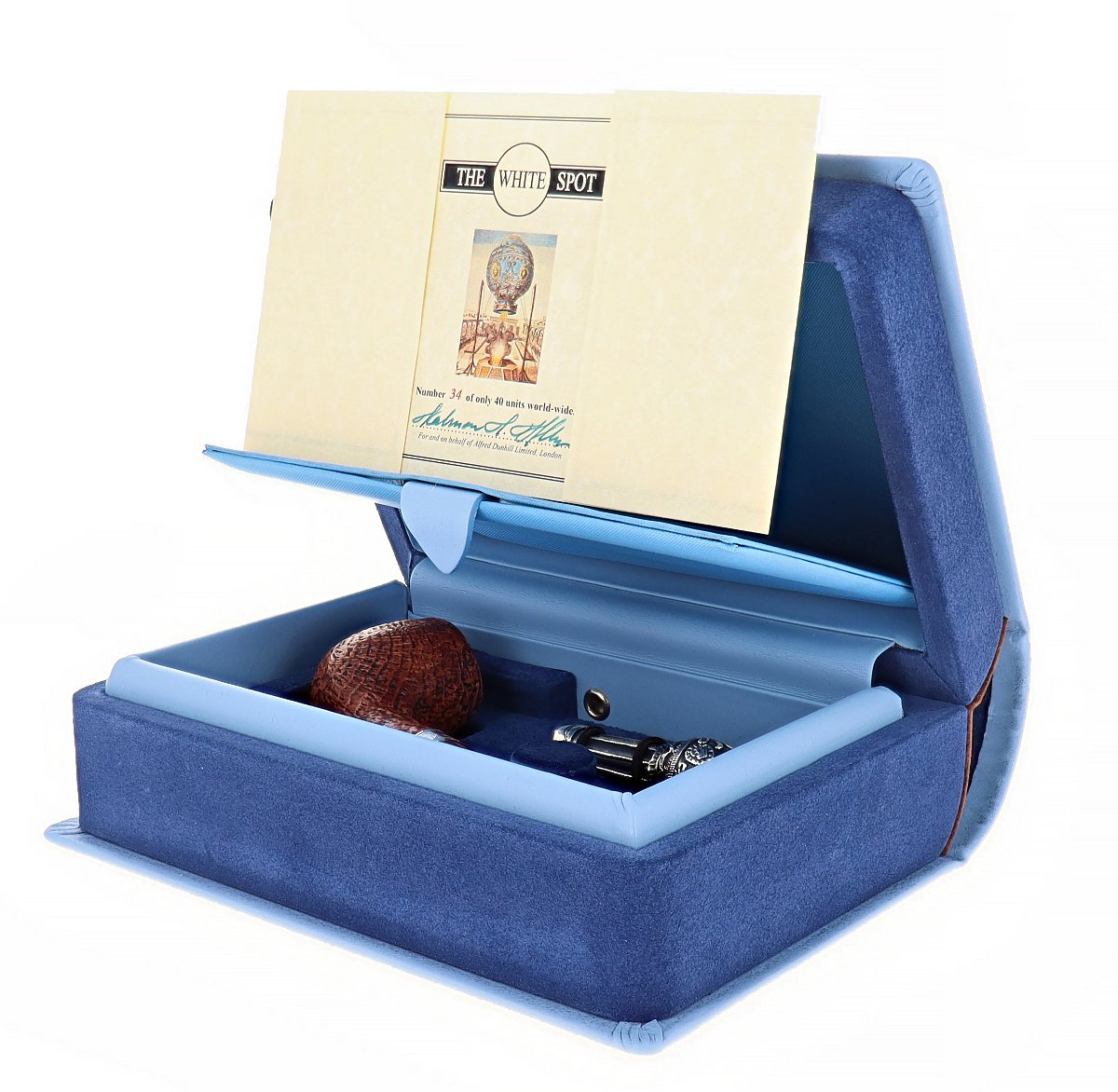
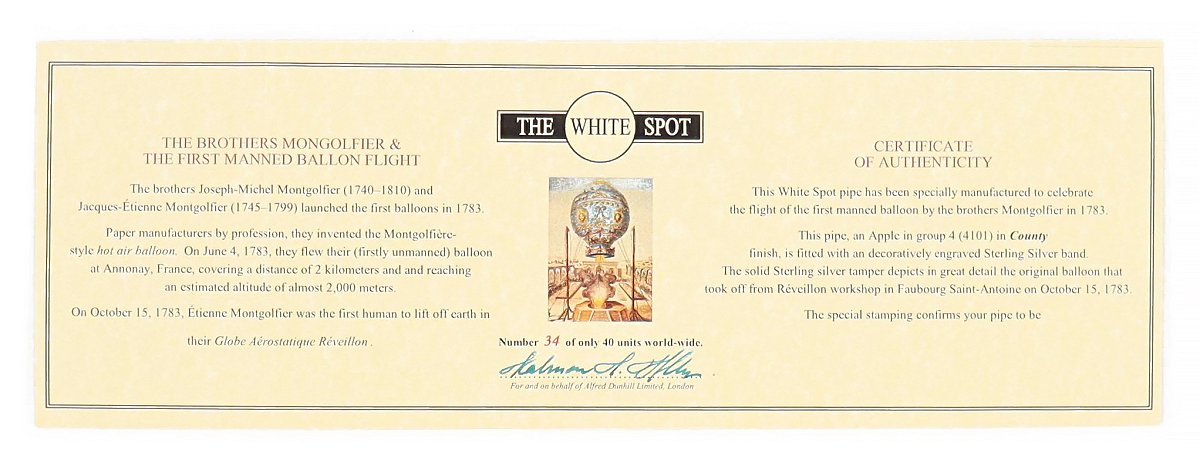
| Marchiature (Stampings) | 34 OF 40 Alfred dunhill's THE WHITE SPOT MADE IN ENGLAND 21 |
| Stato (Condition) | Nuova (New) |
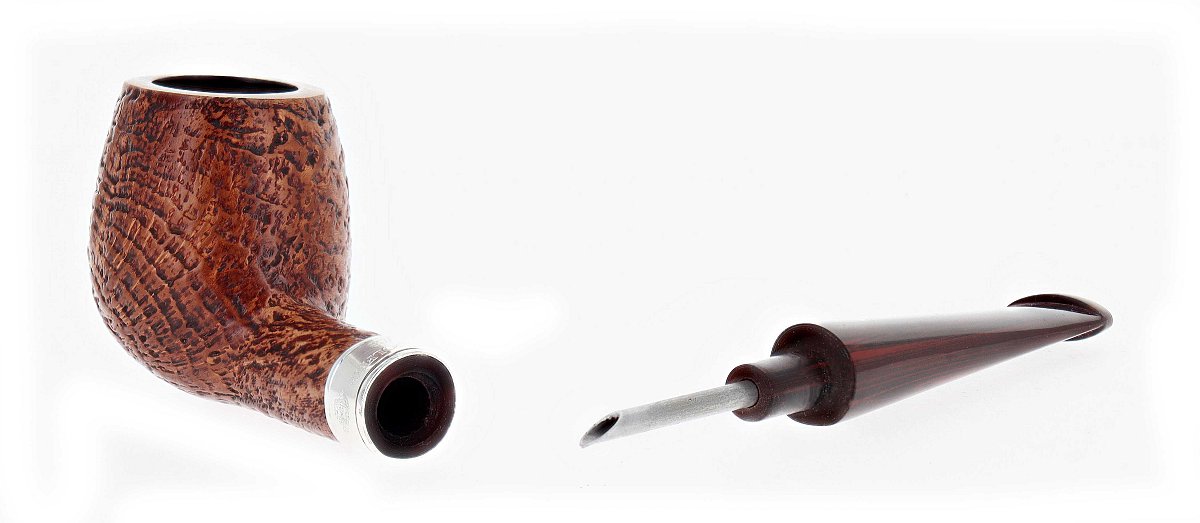
| Bocchino (Mouthpiece - Stem) | Ebanite (Ebonite) |
| Filtro (Filter) | NO |
If you require any further information, please feel free to contact us by email info@tabaccheriaguzzi.it.
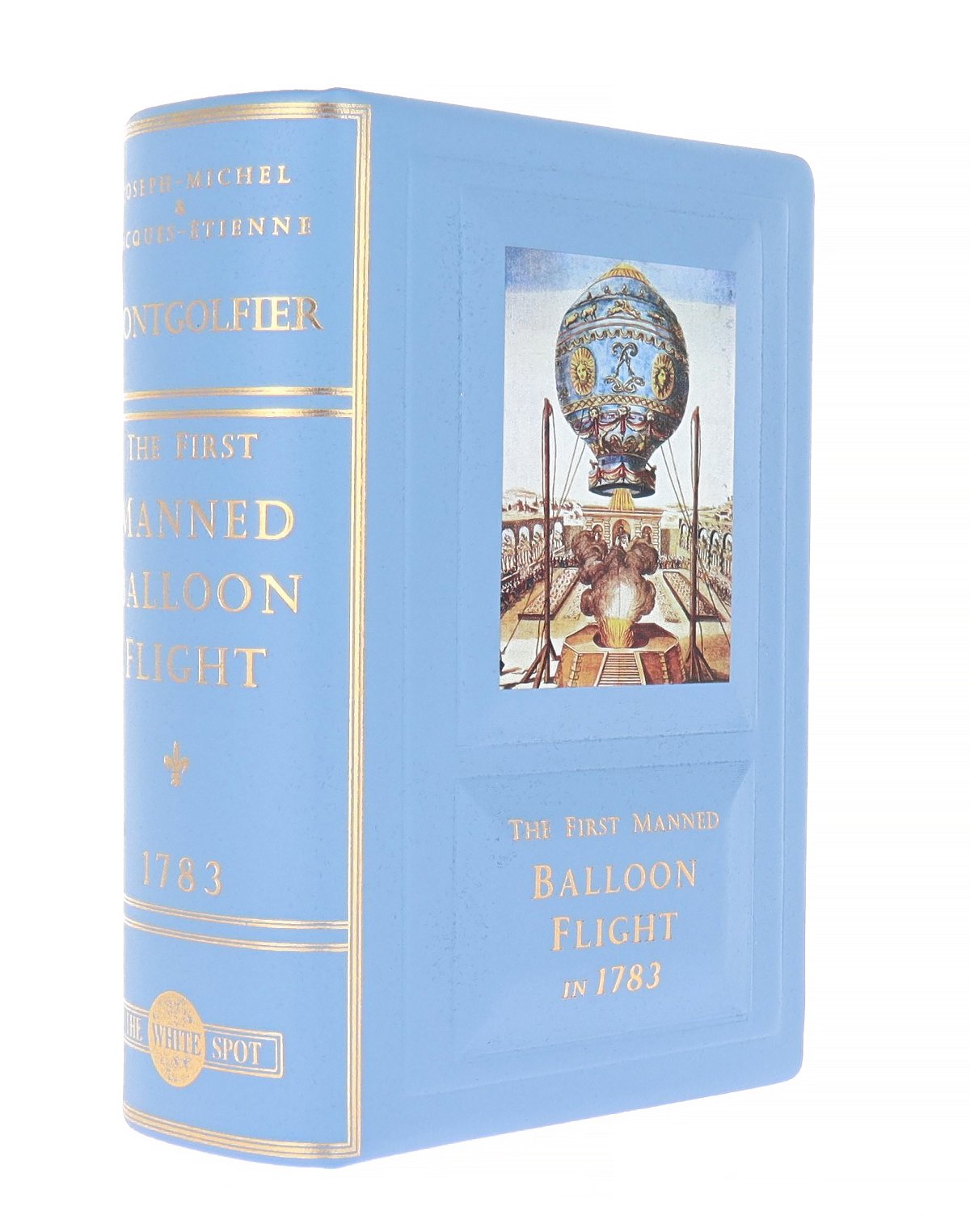
THE MONTGOLFIER BROTHERS
The Montgolfier brothers, both born in Annonay in southern France, were paper manufacturers but rose to fame as inventors of the hot air balloon and pioneers of aviation.
Joseph-Michel Montgolfier (1740-1810) and Jacques-Étienne Montgolfier (1745-1799) are historically best known as the inventors of the globe aérostatic hot air balloon.
During 1782, Joseph-Michel had watched fire embers rise into the air and had the idea for an experiment. He built a box with a volume of about 1.3 m3, made of very light wood and covered on 5 sides with taffeta fabric, leaving the lower part open. Under the container he lit a paper bonfire. The object quickly rose from its mount until it hit the ceiling.
Encouraged by this first successful experiment, he contacted his brother Jacques-Étienne.
Together, they built a much larger box, 27 times the volume.
On December 14, 1782, they made the test flight, using hay and wool for fire, and this box flew nearly two kilometers.
To demonstrate their invention, the brothers decided to hold a public demonstration.
They made a device in the shape of a spherical balloon, made with sackcloth and three inner layers of thin paper.
The casing developed an internal volume of almost 790 m3 of air and weighed 225 kg. On June 5, 1783, the balloon was flown in the first public demonstration in Annonay, in front of a group of notables from the "états particuliers". The flight covered about 2 km, lasted 10 minutes and reached an estimated altitude of 1,600-2,000 metres.
Word of this spectacular feat spread quickly in Paris…and the French royal court.
With the support of wealthy wallpaper manufacturer Jean-Baptiste Réveillon, Jacques-Étienne built an impressive 1,060m3 balloon in sky-blue colour, decorated with gold motifs, zodiac signs and suns. The king himself had initially suggested testing this flight with two convicted criminals as passengers, but on 11 September the balloon was launched into Paris from the park of la Folie Titon, near the Réveillon factory, initially without passengers.
On 19 September 1783, the Aérostat Réveillon was launched from the royal palace of Versailles before King Louis XVI of France, Queen Marie Antoinette and the royal court. To test the effect of high altitude on living beings, flight was initially tested on animals: a sheep named Mont-au-ciel ("Ascent into the sky"), a duck and a rooster. The flight lasted about eight minutes, covered three kilometers, reached an altitude of about 460 m and landed.
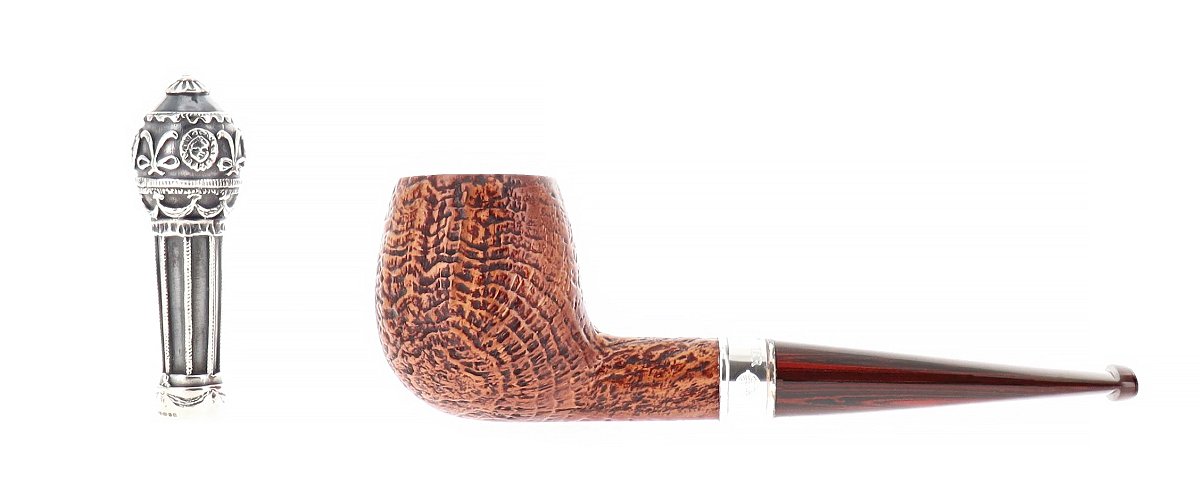
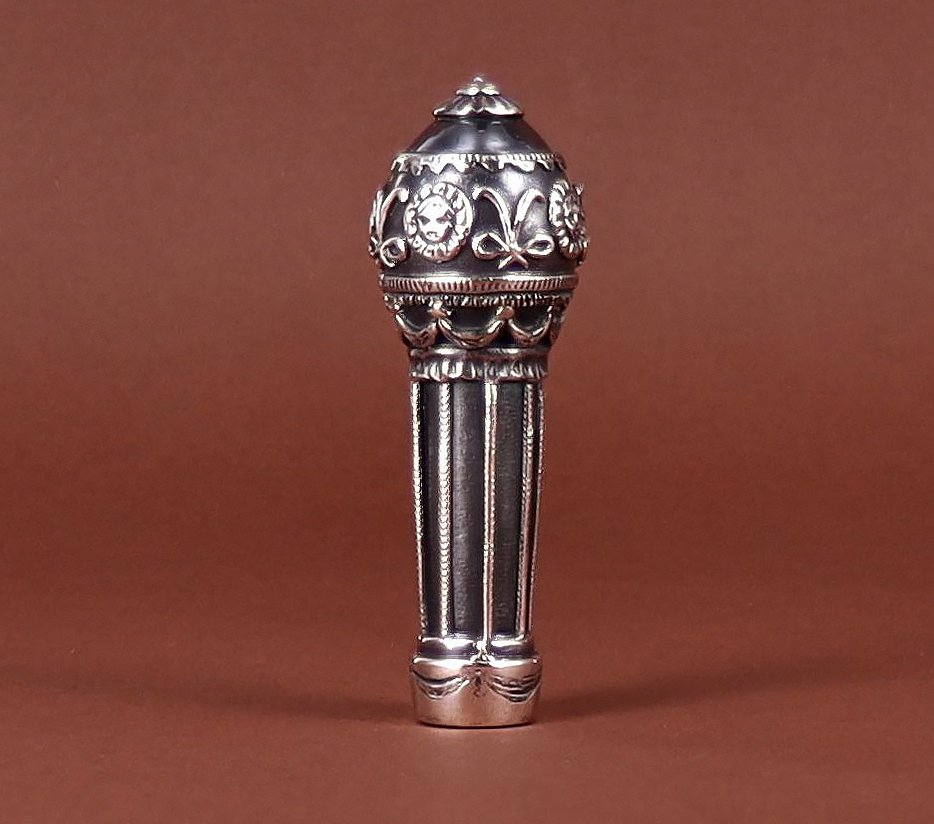
Following the success of the Versailles experiment, the king authorized flights with people. Jacques-Étienne then built, in collaboration with Réveillon, a 1,700 m3 balloon, approximately 21 m high and 14 m in diameter. Réveillon provided the paper with rich decorations of figures in gold on a blue ground, including fleur-de-lys and the 12 signs of the zodiac in the upper part, suns with the face of Louis XVI and the royal monogram in the central part and a red and blue drapery and golden eagles on the base of the ball.
On October 15, 1783, Jacques-Étienne Montgolfier was the first man to lift off the ground in a test flight. Thus began the era of human flight.
On November 21, 1783, the physicist Jean-François Pilâtre de Rozier, together with an army officer, the Marquis François Laurent d'Arlandes, made the first manned free flight.
In 1983, the Montgolfier brothers were inducted into the International Air & Space Hall of Fame at the San Diego Air & Space Museum